Publications
A Physical Therapist’s Experience as a Point-of-Contact Care Provider in a Wilderness Environment: A Case Series Report
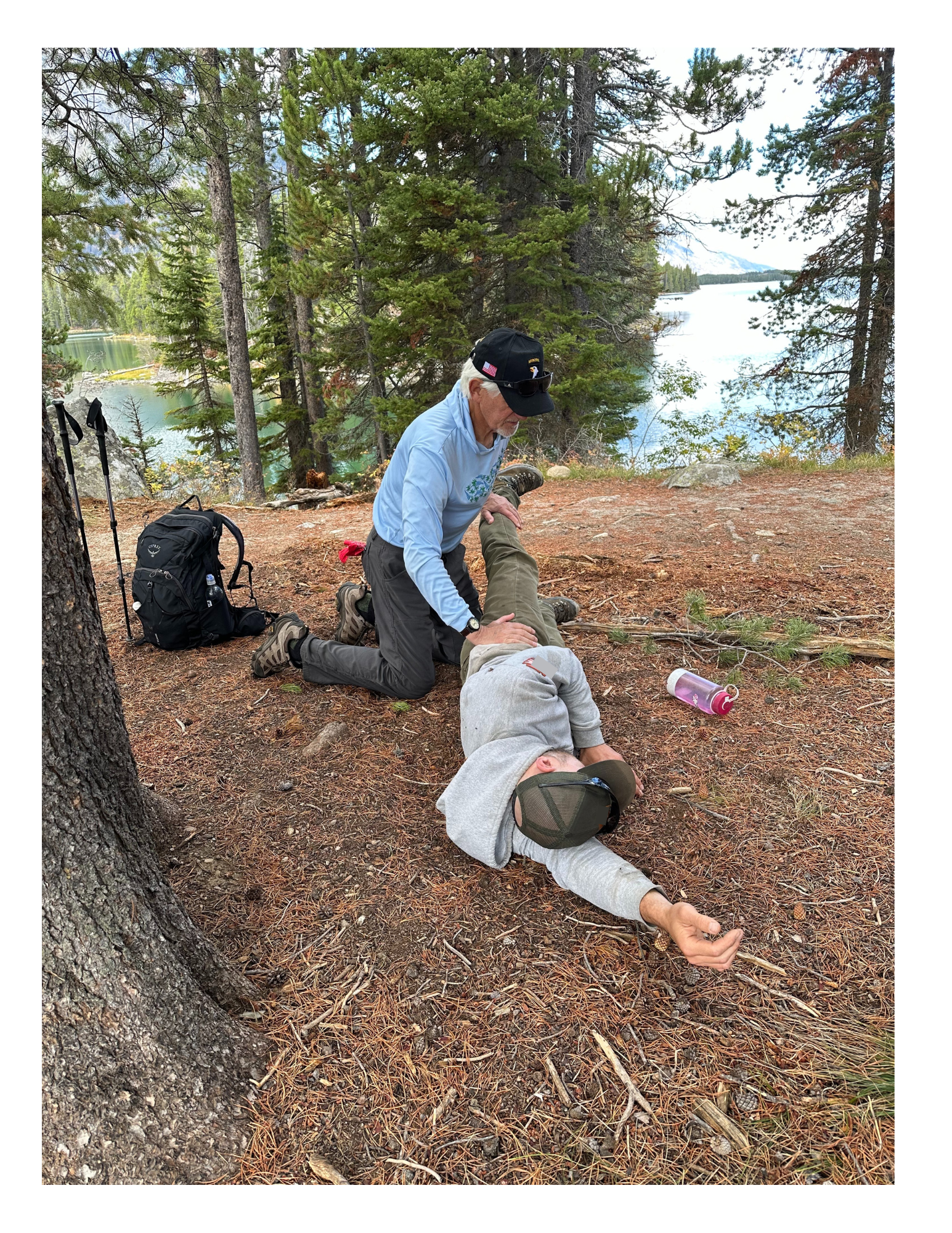
“This case series supports the role of WPTs as on scene point-of-care providers for people who are injured in austere environments. In both cases, the WPT used PT skills of history taking and physical examination within wilderness medicine protocols to stabilize the scene, screen for serious injuries, provide emergency care, and make evacuation decisions”
The Emerging Role of Physical Therapists in Wilderness Medicine
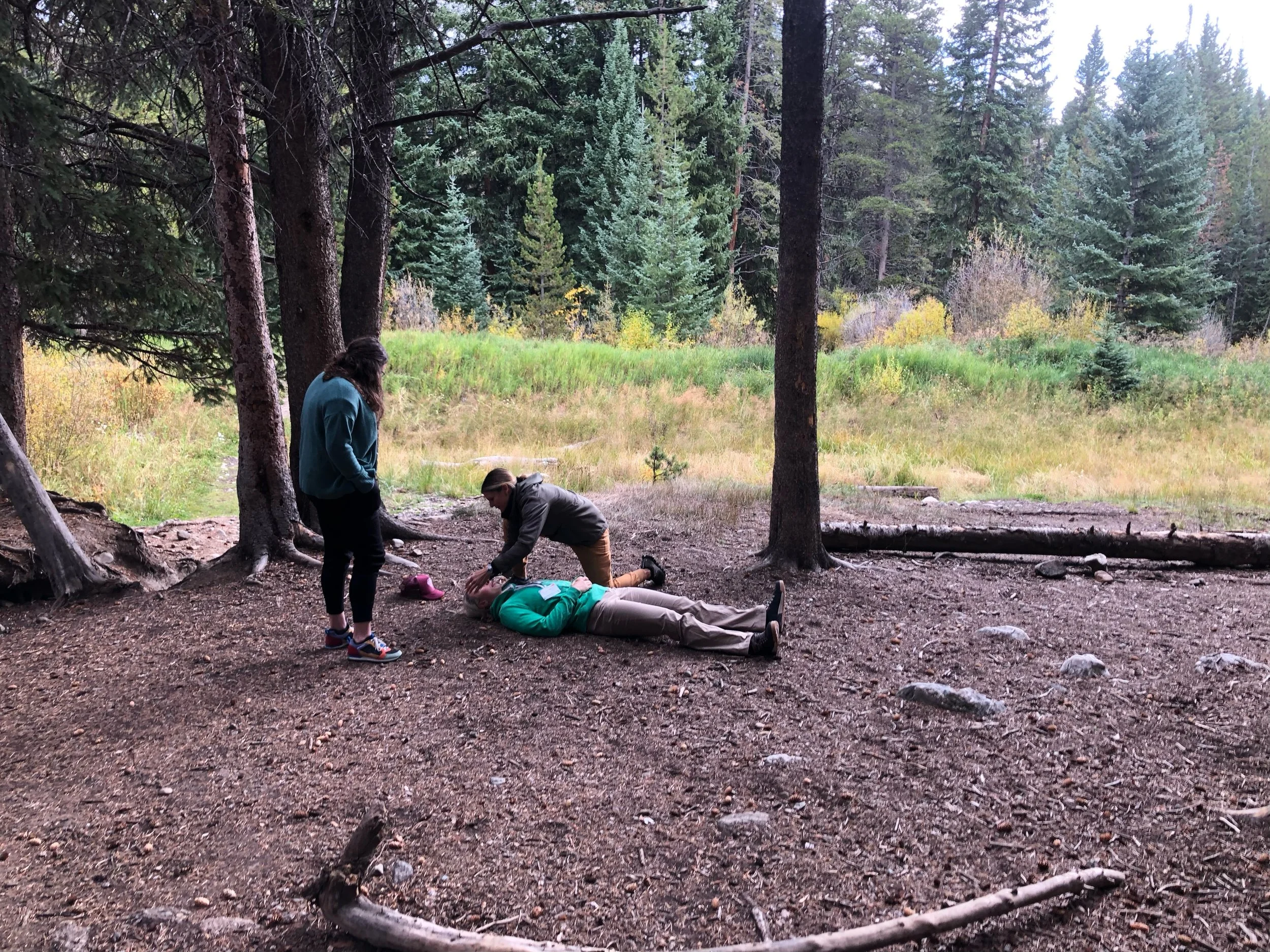
“Beyond providing immediate care to someone in the wilderness, PTs can help return patients to their high-demand activities in remote environments with limited resources. Unique functional rehabilitation considerations include carrying a pack over irregular terrain, paddling, and climbing. Other less obvious but hugely important considerations include hygiene and wound care in the backcountry as well as adequate hydration and nutrition.”

Physical Therapists Can Be Value-Added Providers in Wilderness Medicine
“Backcountry medical problems can range from minor inconveniences to terrifying emergencies for patients, family members, and co-workers. Physical therapists with advanced first aid and outdoor skills can add great value in virtually every aspect of patient evaluation, treatment, and transport. The time is right for the profession to embrace a creative vision in which interested physical therapists can become involved in wilderness medicine.”

Utility of Embedding a Physical Therapist in a United States National Park: A Pilot Program
“The US military has reported that embedding physical therapists with forward-deployed personnel reduces the impact of non-severe musculoskeletal (MSK) injuries. This paper describes a pilot program that embedded a PT with outdoor professionals working in Grand Teton National Park (GTNP). The PT spent 3 summer seasons providing onsite care in multiple locations within GTNP. Individuals who received care included search and rescue personnel, trail crew, wildlife biologists, wildland firefighters, and law enforcement officers. The PT performed 111 consultations for a wide range of MSK disorders. The lower extremity was the most frequently treated region (38.7%; n=43). Sixty-seven percent of consultations (n=74) were for symptoms that had a gradual onset with no specific injury. Fifty-six percent of consultations (n=62) were for symptoms of 3 months or more duration. Physical therapy treatments emphasized self-management and included exercise prescriptions, manual therapy, taping, and pain control using trans-cutaneous electrical nerve stimulation. Based on the preliminary findings from this pilot program, embedding PTs has the potential to increase access to care for nonsevere MSK injuries that occur in outdoor professionals employed in US National Parks.”