Lasting Impact: How a Family Trip Shaped My PT Career
Grant DeGravelle, LSU Health Shreveport DPT Class of 2026
From the Bayou to the High-country:
The year was 2015. I was a young teenager from south Louisiana, venturing west for the very first time. I had no idea a brief encounter with a park ranger in Grand Teton National Park would end up changing the trajectory of my life.
Growing up, I was constantly moving. By age two, I was dribbling a basketball. By three, I was riding a bike. By four, I was chasing soccer balls with every ounce of energy I had. Sports were everything to me—but so was the outdoors. I’d beg my mom to take me “sot-yide” (a mispronunciation that still gets laughs at family gatherings). That blend of athletics and outdoor curiosity sparked an early interest in physical therapy. Even as a kid, I had a feeling this might be my future.
But where I grew up, elevation was non-existent. Our home sits just seven feet above sea level. So, you can imagine my awe when the massive peaks of the Grand Tetons first came into view.
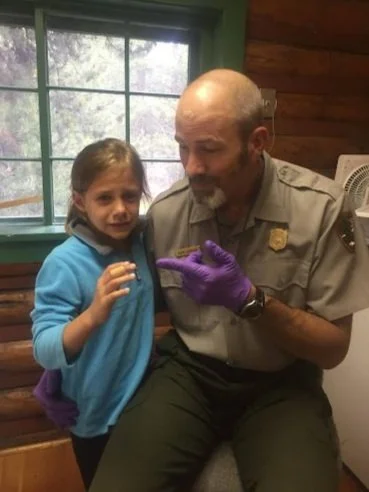
DJ assisting Sarah (Grant’s sister) at Grand Teton National Park (2015).
During that same trip, my sister slammed her finger in a door at the Jenny Lake Ranger Station (allegedly, I may have had something to do with it). A park ranger quickly came over, first aid kit in hand. As he patched her up, we struck up a conversation. That’s when he told us he was a physical therapist who also worked in search and rescue. My brain lit up. I turned to my mom and said, “That’s what I want to do.” She smiled—and gently explained that search-and-rescue physical therapy isn’t exactly a job you apply for online. The encounter made such an impact that years later we would joke about combining outdoor jobs with corporate jobs around the dinner table.
Years later, I found myself at the University of Louisiana at Lafayette. There, I met a group of students reviving the university’s rock climbing club. Not the most obvious club to restart in a flat, humid state like Louisiana—but we made it work. We organized trips to Arkansas and Texas, introducing new climbers to the outdoors. After graduation, the club has only grown, with members traveling farther and competing at national levels.
My dream of becoming a PT was still alive, but I decided to hit pause. I wasn’t quite ready to dive into the “societal machine” just yet. I kept thinking back to the rangers that I had met in the Tetons, and other guides I’d met over the years. I knew I needed to experience more of that life before settling down.
So, the day I graduated with my kinesiology degree, I packed my car began the drive. From south Louisiana, I drove to northern Idaho and spent a season working on a dude ranch. Then it was Texas. Then Oregon, where I wrapped up the year working at a ski resort. It was one of the most incredible years of my life.
Eventually, though, PT school called. I assumed that the door to the wilderness world had been closed. The days of climbing and skiing were replaced with textbooks and exams. But during that first year, a professor who shared my love for the outdoors forwarded me an email about an organization merging physical therapy with wilderness and adventure. I thought it was a cool idea and passed it on to my mom without much thought.
She called me moments later—practically yelling into the phone. “Grant, you’re not going to believe this.”
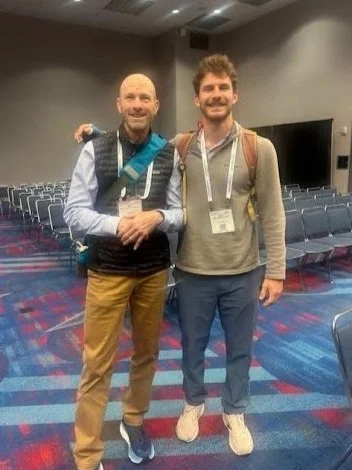
DJ and Grant DeGravelle at Houston CSM 2025
The park ranger that I had met 10 years ago that sparked my interest in the overlap of PT and the wilderness was none other than Darin Jernigan (aka DJ), one of the founding members of Wilderness Physical Therapy Educators. A single, seemingly random moment when I was 15 had come full circle—ten years later. After a few months of communication, we were able to meet up at the APTA Combined Sections Meetings to discuss what the future of wilderness PT might look like.
What started as a chance meeting in the mountains has now become something much bigger—an opportunity to help expand the reach of physical therapy into spaces few ever imagined. Blending movement science with wilderness settings opens up new ways to rehabilitate, grow, and connect with others. Whether it is helping climbers recover to get back to the crag or guiding adaptive athletes through backcountry trails, this intersection of PT and the outdoors has the potential to redefine what rehabilitation can look like. And the most exciting part? It’s just getting started.
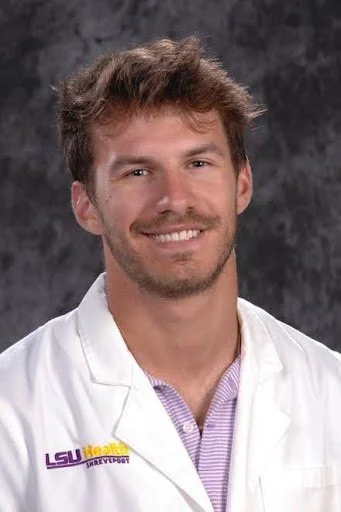
Grant DeGravelle, DPT Class of 2026