The Power of Reaching Out: Providing Care in Africa
Darren Hearn PT, PhD, WEMT

I would like to share with you all a recent experience that had a profound impact on me. My singular hope is that the children who are at the heart of the story may inspire you to consider taking your skills to those who need it most.
During a recent deployment, I had the opportunity to provide basic orthopedic and wound care to pediatric refugees in Africa —
Allow me to set the scene: On mornings with temperatures already exceeding 90 degrees Fahrenheit, we would leave after breakfast and coffee, often not appreciating how fortunate we were for that meal. We would board a crowded van and drive through streets full of goats, scooters, and vans without doors. People selling khat often lined the streets and small shops sold everything from strips of clothing to tires. After dodging traffic that seemed to have no rules, we would arrive at a small collection of buildings that served as a daily haven for refugee children.
For quick background: These children fled from neighboring war-torn states, often losing their families along the way, and sought safety, food, and medical care most days at a place that I can only describe as something between an orphanage and a Boys and Girls club.
Upon arrival, the children eagerly greeted us. They ranged in age from toddlers to teenagers and every single one ran out to greet us as we got out of the vehicles. They hugged us, jumped on us and immediately started talking to us, despite language barriers.
Some volunteers engaged with the children by playing soccer with makeshift balls on dirt patches, others by swinging on rudimentary swings (the use of which would often make you cringe), or simply walking around the area allowing the children to just talk to them. Others of us worked went to a small medical clinic— it was, shall we say, a “modest” room equipped only with basic first aid supplies. There was no running water, no air conditioning, and a significant lack of personal protective equipment. What did have though, was a long line of wonderful children needing care.
We divided responsibilities among our team of nurses, medics, and me— a physical therapist / EMT— by relying on children who could speak English and local dialects to help identify needs. Communication sometimes involved multiple individuals to translate from one dialect to another to another to English. But often, they would just point and you could tell what they needed. Most children presented with wounds, many caused by inadequate footwear and clothing. In many places in the world, these wounds would heal naturally, but here, a lack of access to proper nutrition hindered recovery. Consequently, wounds festered and became infected due to bathing in contaminated streams or lakes near burn pits and other toxic elements. We undressed some homemade wraps that contained flies and maggots. And I am sure you can imagine the smell some of the wounds put out. Some infections were so obvious that hospital care was the obvious need—but incredibly sadly - Hospital care was unaffordable for these children, making our clinic their primary source of aid.
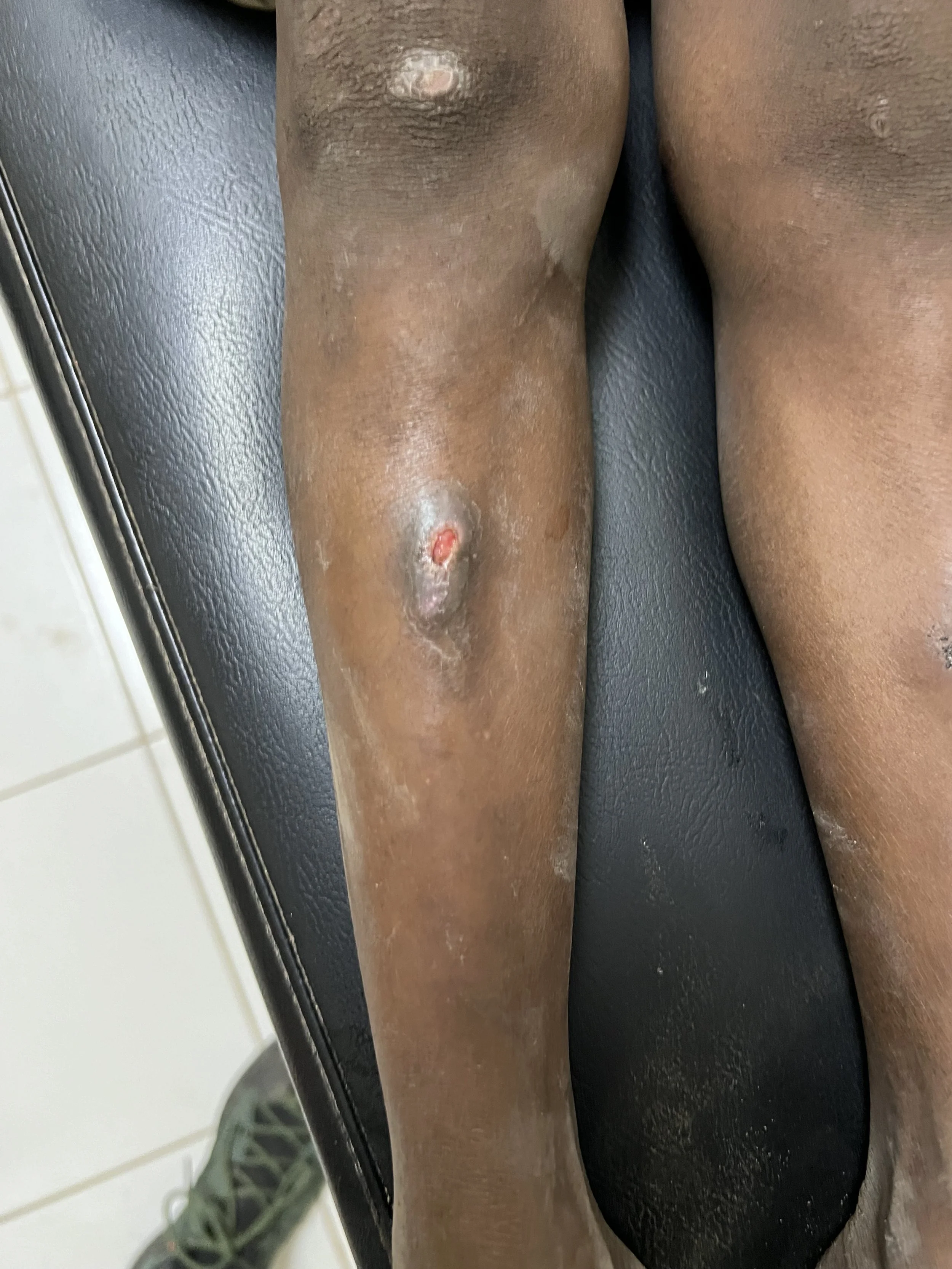
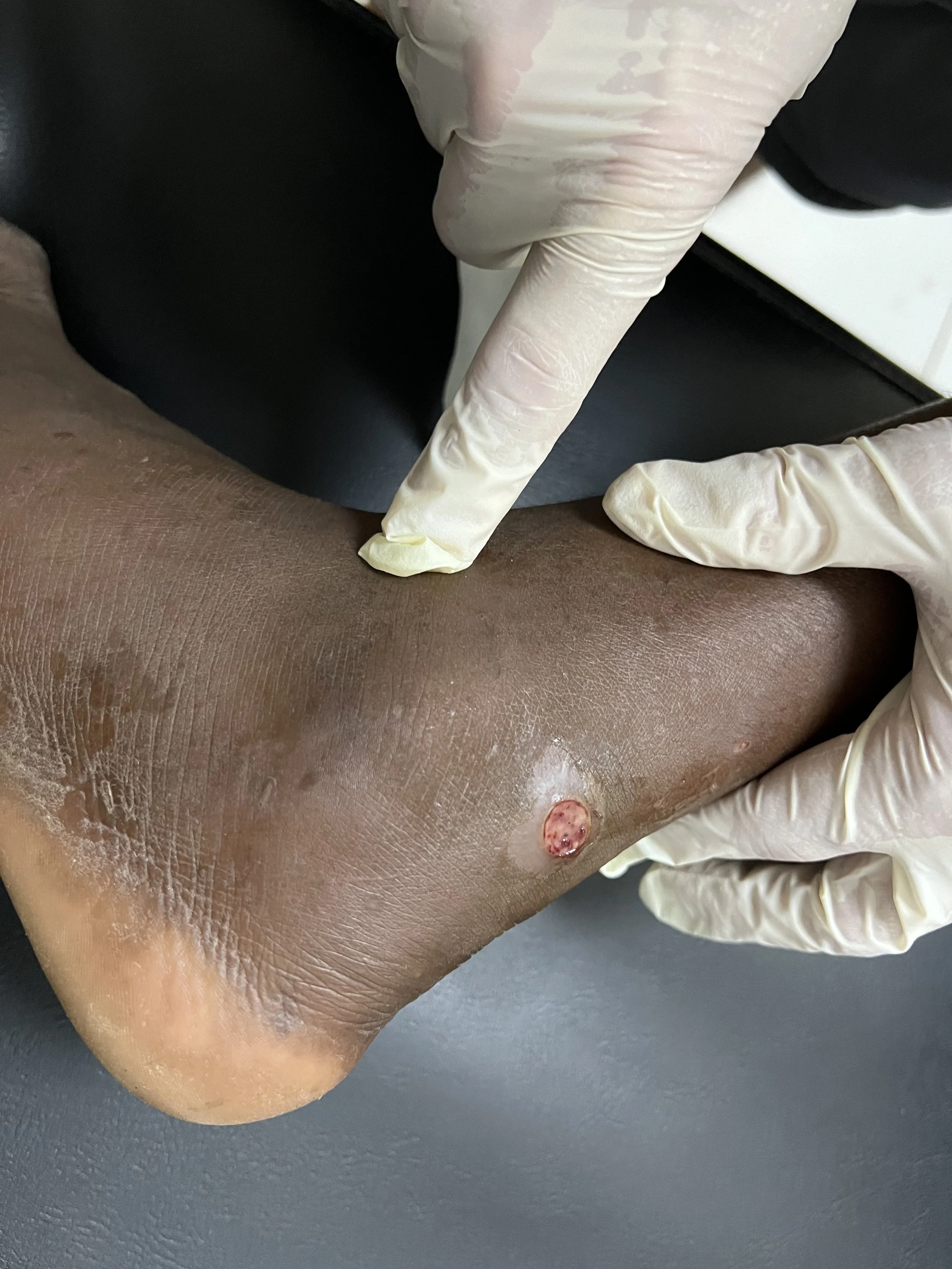
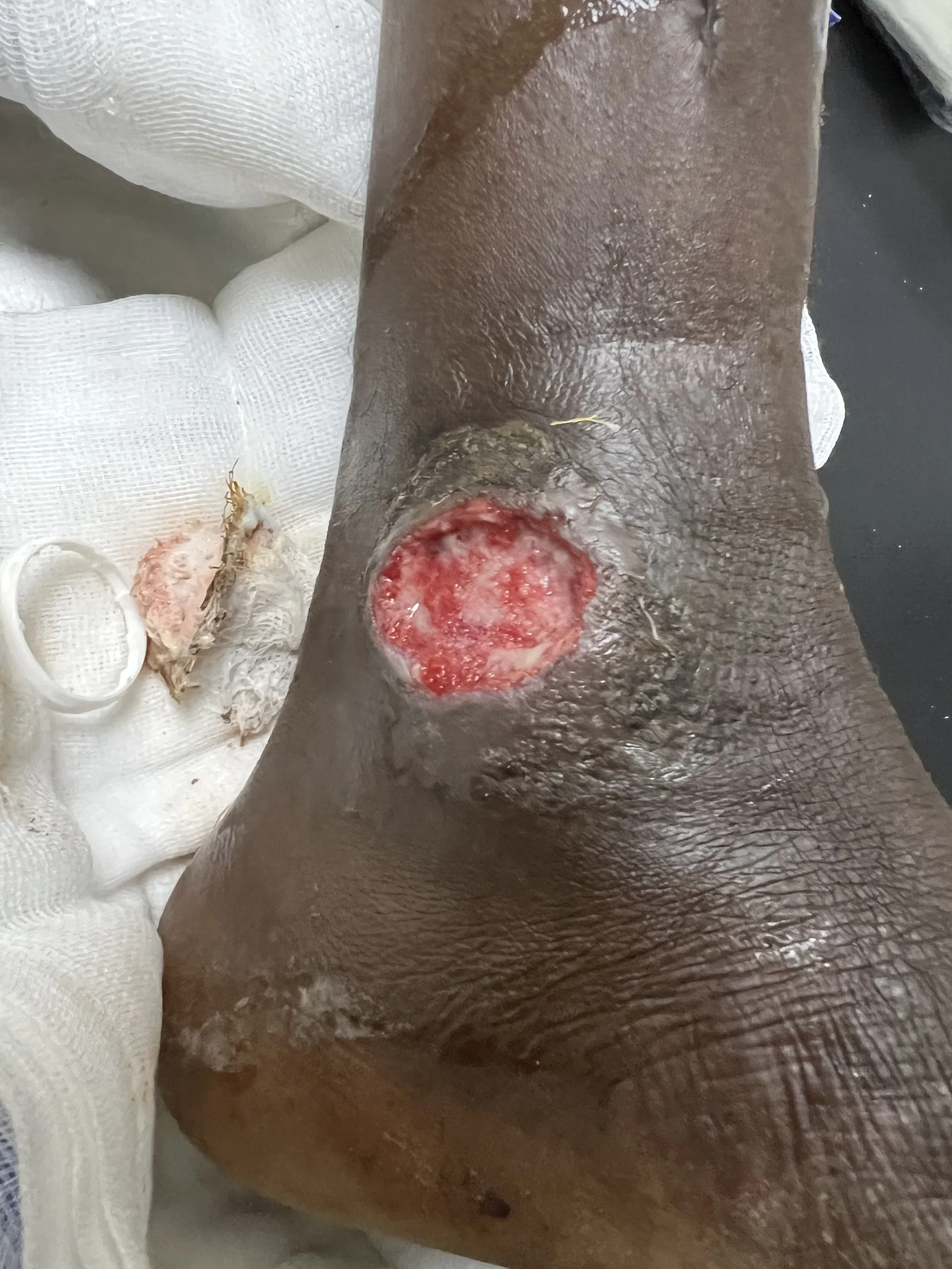
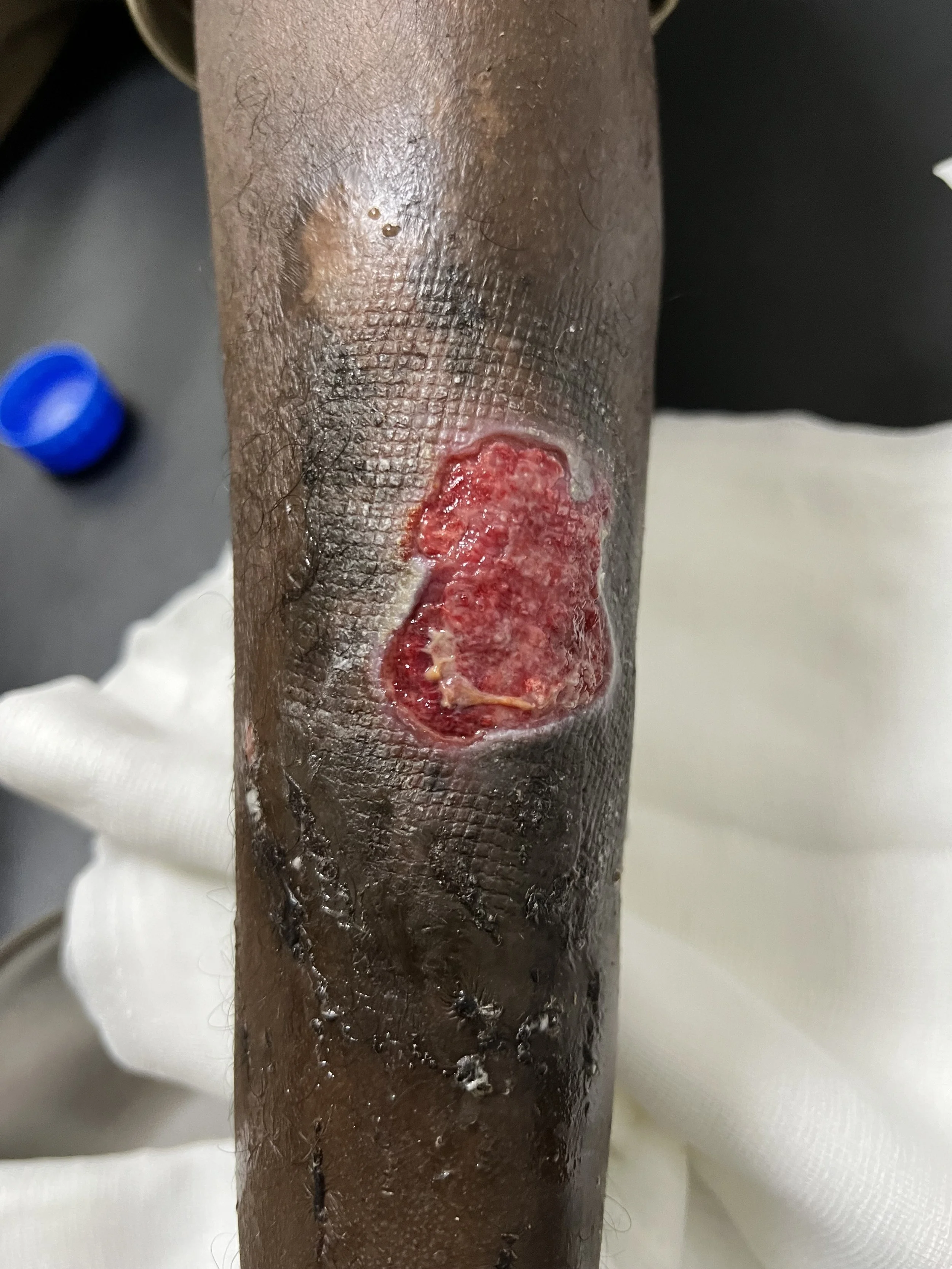
Using our limited medical supplies, we provided the best care we possibly could. Consulting wound care experts in the United States led to creative problem-solving and advocacy for more supplies, clothing, food, and clean water. The task often felt insurmountable and was admittedly draining during the initial visits. Our repeated visits back to the little clinic revealed varying degrees of healing and every time we had new children with new wounds.
So— Why do I consider this a positive and life-changing experience? Why do I want to encourage you to consider using your skills in these parts of the world? It is because of what this experience and what these children taught me and can teach all of us. Despite their circumstances, their excitement every morning we arrived was unwavering. Their smiles, hugs, and return to carefree play reminded me that contentment is not derived from our environment, possessions, or status; it originates within each of us and through our relationships with others. We often lose sight of what we have in front of us amidst life’s demands. We get so busy in our rat race and with our first world problems that we forget that there are children without shoes or clean water. Amidst our concern with how busy this evening is and tomorrow will be, we forget that just the food we throw away would be a week’s sustenance for them.
While I am not advocating for us to sell everything and commence a campaign to end world hunger, I do want to encourage you to consider using your skills to assist those in dire need. Shift your focus temporarily to those who offer no material gain but provide invaluable love and perhaps more importantly, perspective.
For those interested in volunteering, please contact us with any questions or reach out to the following organizations: