A Challenging Trail Run on a Very Hot Day
Paul F Beattie PhD, PT, FAPTA, OCS, WEMT
You are preparing to run in the annual “Big Ridge Challenge” which is a wild 50-km trail run that goes up and down several 500m ridges in mountains that average 3,000 m. The weather is unseasonably warm with highs projected at 35-37 degrees Celsius by mid-race. There is not a cloud (or shade) in sight and the radiant heat is intense. Considering the tough weather conditions, you are a little apprehensive and decide to take it really easy on this run. You wear a lightweight long-sleeve hoodie for sun protection and bring extra water. You also decide to bring a lightweight tarp in case you need to make some shade. You bring your hiking poles to help navigate some of the rougher areas.
At the starting line there is the usual mix of joyous anticipation and game face. You notice a small group of boisterous young men who are obviously together. They are chugging energy drinks and bragging to each other about how they will win the race. They are also talking about how much they drank at the bar last night. This group does not appear to be particularly fit, and they are not carrying any gear or water. In the back of your mind, you are wondering if these guys know what they are getting in for.
Suddenly the starting gun sounds and everyone is off. The boisterous group starts out fast. You decide to lay back and not worry about time. The objective today is to finish. It’s 50 km and it is hot. Really hot.
This is one of those races that starts out with a soul-crushing long uphill on loose scree. You are pouring sweat and wondering why you choose to do this. Maybe you need a new sport: bowling, darts……..golf? Then the trail levels out and you feel a nice breeze. The view is epic. You fall into a nice steady state-oh yeah, this is why you do this.
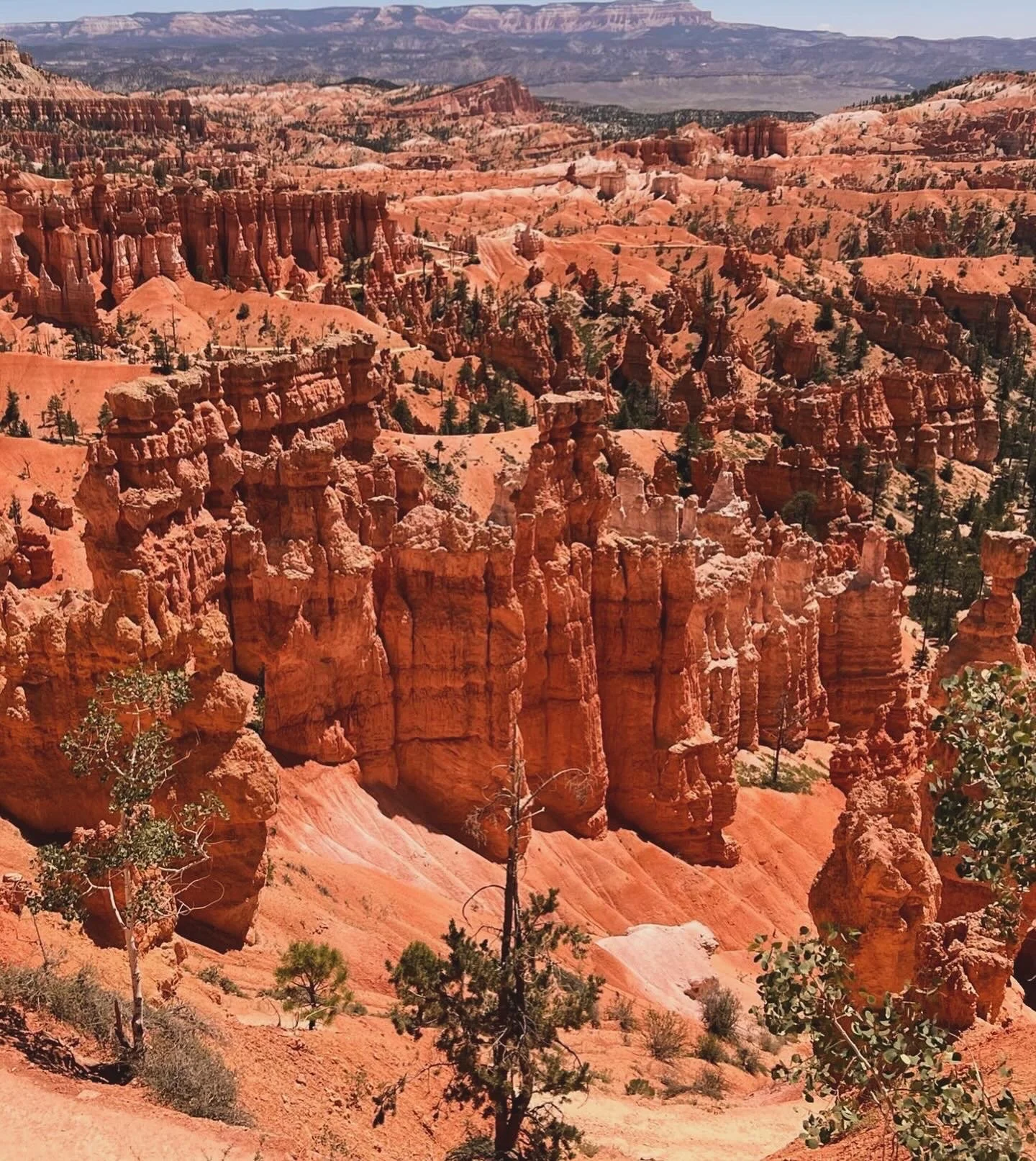
The Big Ridge Challenge started as an annual event for the local running club and morphed into a very popular race. Like all ultras and backcountry runs this one has its own personality that can change from beautiful to really scary in a short time. Rough terrain, and capricious weather can go from sunny and hot to intense cloud cover and sleet in a moment’s notice placing tired, dehydrated runners in acute danger. That’s why they call it a Challenge.
The local search and rescue (SAR) community has a heavy presence and sets aid stations a few miles apart for the length of the race. Wilderness physical therapists (WPTs) help man these stations and provide an array of services ranging from first responder to point-of-contact care for musculoskeletal trauma. You are thinking about how cool it would be to help at one of the aid stations when suddenly you hear loud voices ahead:
“Billy! Let’s go you weanie! I am going to kick your butt in this race! Get up!”
You round the corner and there is the boisterous group with hands on knees, sweating profusely. One of the members of the group is vomiting and another is laying on the ground. Another one of the members is walking around yelling at his friends. This appears to be a scene safety issue in the making.
You are wondering if you should stop and maybe advise these guys to call it a day and walk back when you notice that the person laying on the ground appears to be having a seizure. At first the other members of the group start laughing and tell Billy to get up but then one of them says, “Holy shit! I don’t think he is alright.”
OK-now what?
Here is where your training kicks in. You need to make lots of decisions quickly. The first decision is do you stop to help, or do you keep going and finish the race?
This person (and potentially others in the group) has serious problems. Of course, you will stop and help. Next up is scene safety-there are lots of threats here including dangerously high temperatures and radiant heat, elevation, lack of shade and shelter and a potentially unstable group of people on the scene. Right now, it looks like there is only one person (Billy) in acute danger. Considering the weather conditions, their consumption of energy drinks and history of drinking last night, your preliminary diagnosis for Billy is heat stress or worse. He could have lots of other reasons for the seizure, but heat illness is the big concern right now.
You decide to approach. You are confident but not threatening. You introduce yourself and ask permission to look at Billy (technically you do not need permission since Billy has impaired mental status, but you need to keep the peace and not come off as a jerk. Firm, calm politeness will be the best approach).
The group is receptive to you helping – you sense that they are starting to realize they are in over their heads. Part of your job is to keep these guys calm and focused. You also realize that any one of them could drop next. But first you need to evaluate Billy.
You go through your MARCH protocol- Billy is not responding to your verbal cues but moans when you squeeze his trapezius, so at least he is responsive to pain. There is no obvious bleeding, he is maintaining his own airway, he is breathing rapidly and has a strong pulse. His skin is very warm to the touch but is dry.
What is going on?
Billy is likely suffering from exertional heat stroke and is in serious trouble. To save his life he needs to be cooled down immediately; he will need to get to a hospital very quickly. This is an all hands-on deck emergency, but how can you get him to cool down?
Backcountry heat stroke protocols recommend immersing the patient in cold water-maybe a stream or a lake. If those are not available, you should pour water over his body and fan him. But there are no streams or lakes on this mountain trail. You only have your personal water supply of 1 liter. No one else in the group has any water. If you pour your water over Billy, it will quickly run off onto the ground and then what? You will not be able to help this situation and remember everyone else on scene is likely to be dehydrated and needs water too.
What should you do?
Think…remember that your initial scene size-up includes identifying your resources. You don’t have much water, but you have your tarp and several people who can help. Time to use the TACO approach (Tarp-Assisted-Cooling with Oscillation).
You pull out your tarp, flatten it on the ground and direct the people on scene to quickly but carefully roll Billy onto the tarp. You support Billy’s head and maintain his airway while 2 others lift opposite sides of the tarp to form a TACO. One of the other members of the group pours the water over Billy. The water catches in the tarp and everyone carefully oscillates Billy in the tarp to keep the water rolling over him. You instruct 2 other people to fan Billy-maybe he will start to cool down but here is where it gets tricky. You will still need more water for Billy and the others on scene (including yourself). You also need advanced help soon. Real soon.
Some additional runners are coming by. You explain the situation and ask for their water. Everyone stops to help (love the trail-running community). One of the runners calls 911 for help.
Communication is made with the nearest SAR station 2 miles down the trail. A helicopter is called in and thankfully the conditions are suitable for patient extraction.
While the helicopter is in-bound 2 members from the SAR station come roaring up on a 4-wheeler. They have 2 ice chests and several gallon jugs of water. As they approach, you quickly tell them the situation and transfer care to them. They empty an entire Yeti cooler full of ice on Billy as the oscillation continues.
The SAR team makes radio contact with the helicopter which is coming in hot. A ranger with a liter is suspended under the helicopter on a long line. Billy starts talking but is not making sense. The SAR team instructs everyone to move away from the patient. The ranger lands and the helicopter holds in a hover. The SAR team and the ranger quickly transfer Billy to the liter….and then the helicopter lifts with the ranger and Billy underneath on the long line. The nose of the helicopter dips and then they’re gone.
Wow!

Now what?
This is the hard part. Your adrenaline starts to go down and now you have some more decisions to make. Should you say to everyone, “have a nice day”, and continue the race? You topped-off water from the SAR team who just returned to their aid station. It is still early. You paid a lot of money for the registration so you should get to finish the race, right?
But your job is not done. The remaining members of the boisterous group don’t look so good. Their buddy was just evacuated by a helicopter and might die. They are dehydrated and traumatized. Things could get bad here. They are zoned-out and need leadership. That would be you.
You calmly and respectfully take charge. You make sure that everyone drinks some water (but not too much). You say, “what do you think? This might be a good time to head back down to the starting line.”
Everyone agrees and you get the group together and carefully start to walk out. You talk on the way out and they turn out to be pretty good guys. You make it a point to stay in touch on Facebook.
Billy does well in the hospital and is discharged the next day. His physician told him that he got to the hospital just in time. If he was not cooled when he was, he likely would have died.
Once you get home, you log in and sign up for next year’s Big Ridge Challenge.