Attributes and Foundation Skills of Wilderness Physical Therapists
Karen Beattie PT, WFR, RYT 500

“What does it take to become a Wilderness Physical Therapist?” We get this question a lot. Being a Wilderness Physical Therapist has some similarities to front country practice but working in the backcountry presents key differences and unique challenges. It is really fun and rewarding but it can be really hard too. As a practicing PT you have a prime set of knowledge and skills to use for patient care and problem-solving skills in the wilderness environment, but there are several other attributes and foundational skills necessary for you to excel in wilderness and backcountry environments.
The number one attribute is that you need to love being out in the backcountry. By and large those that feel drawn to pursue study in Wilderness Physical Therapy journey outdoors often and want to practice outdoors; they have a quest for backcountry recreation and adventure, and most importantly, hold an appreciation of the gift and solitude of the wilderness.
The next requisite is to know how to take care of yourself in the backcountry. In order to help others, you need to be able to take care of yourself first. This means knowing survival techniques to stay safe and effective in wilderness settings. Shelter construction, water purification and fire building, as well as appropriate land navigation skills are essential. Other requirements include knowledge of appropriate gear, animal precautions, and the skills needed for safe hiking, trekking, climbing, and water rescue. Knowing and adhering to the 7 Leave No-Trace Principles is foundational.
Leadership and communication skills are essential and one must have an awareness that situations and conditions can and do change quickly in the wild. Your ability to adapt in the moment is a noteworthy attribute. The ability to be mindful, be situationally aware, and to have the knowledge to keep scenes safe despite the possibility of being out of your comfort zone for variable stretches of time are vital skills.
Sounds good. right? But there is more.
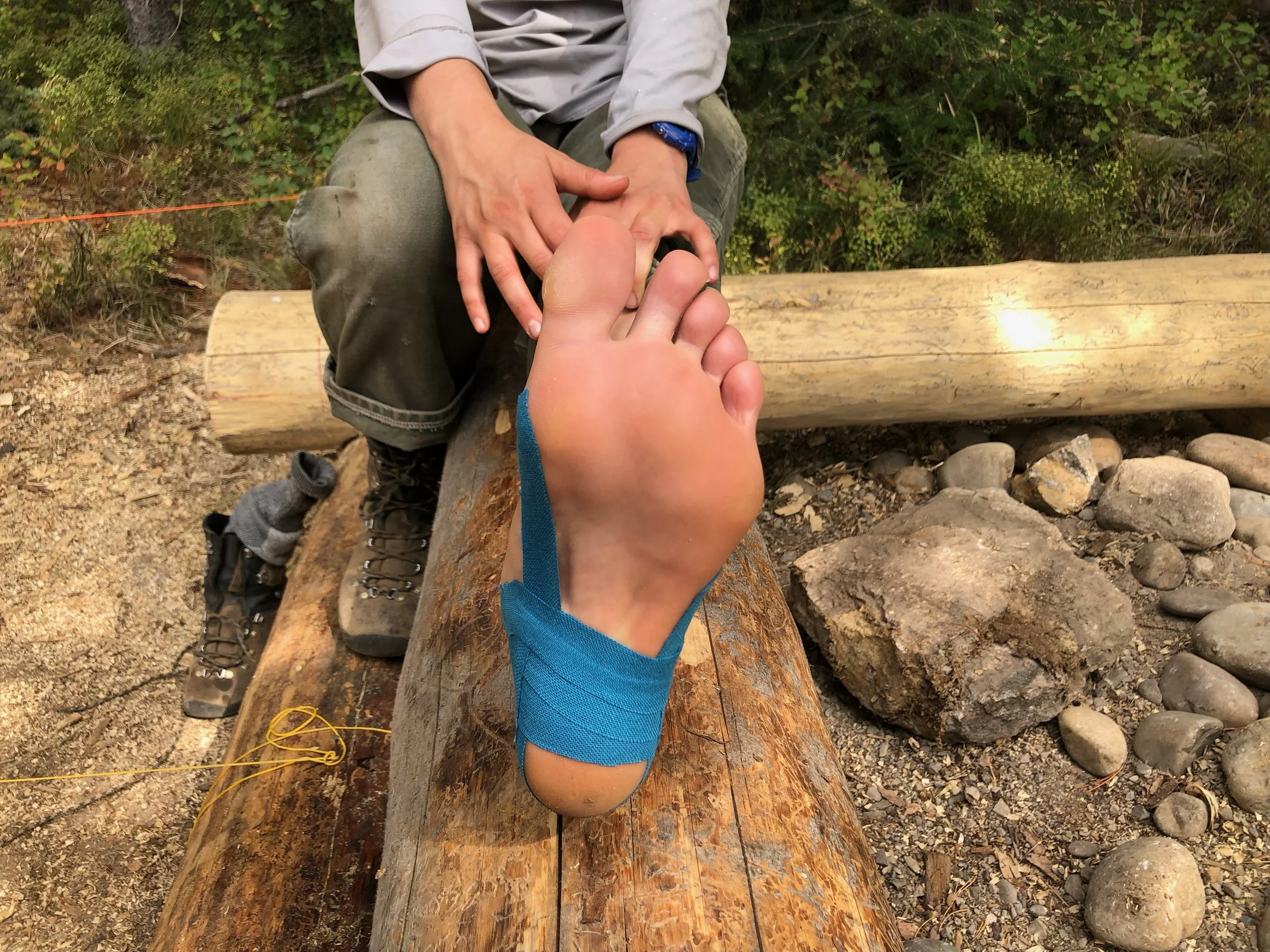
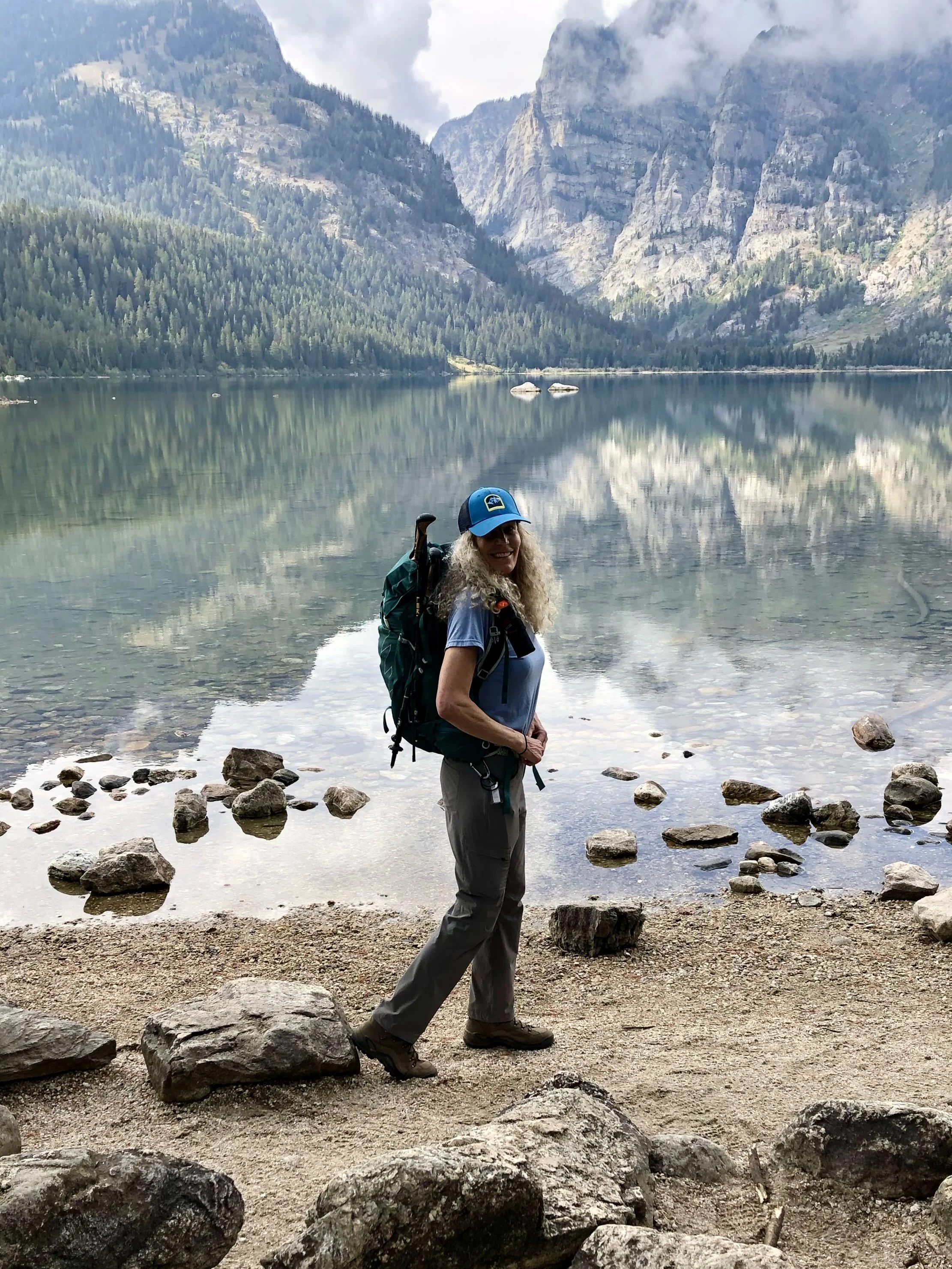
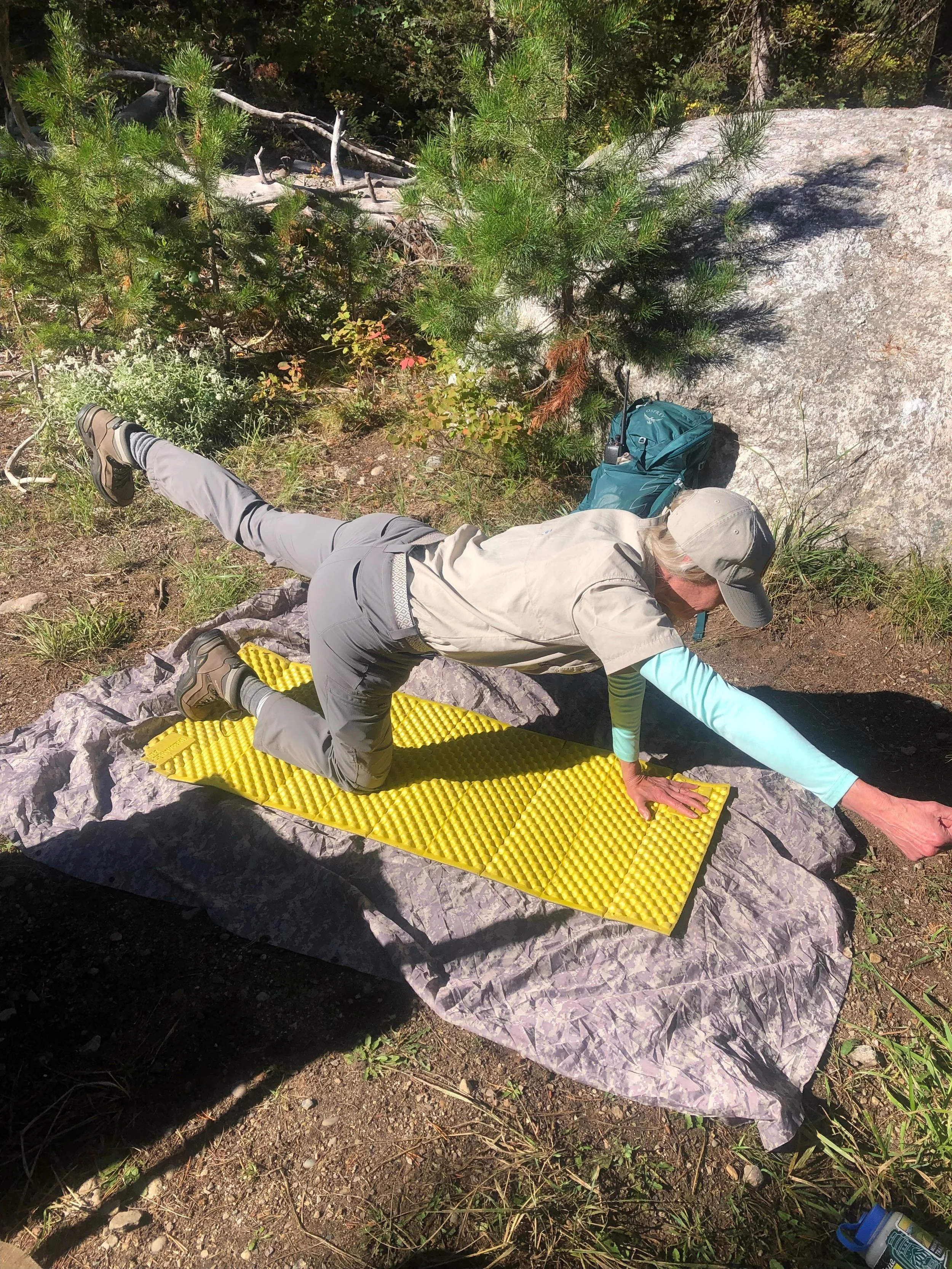
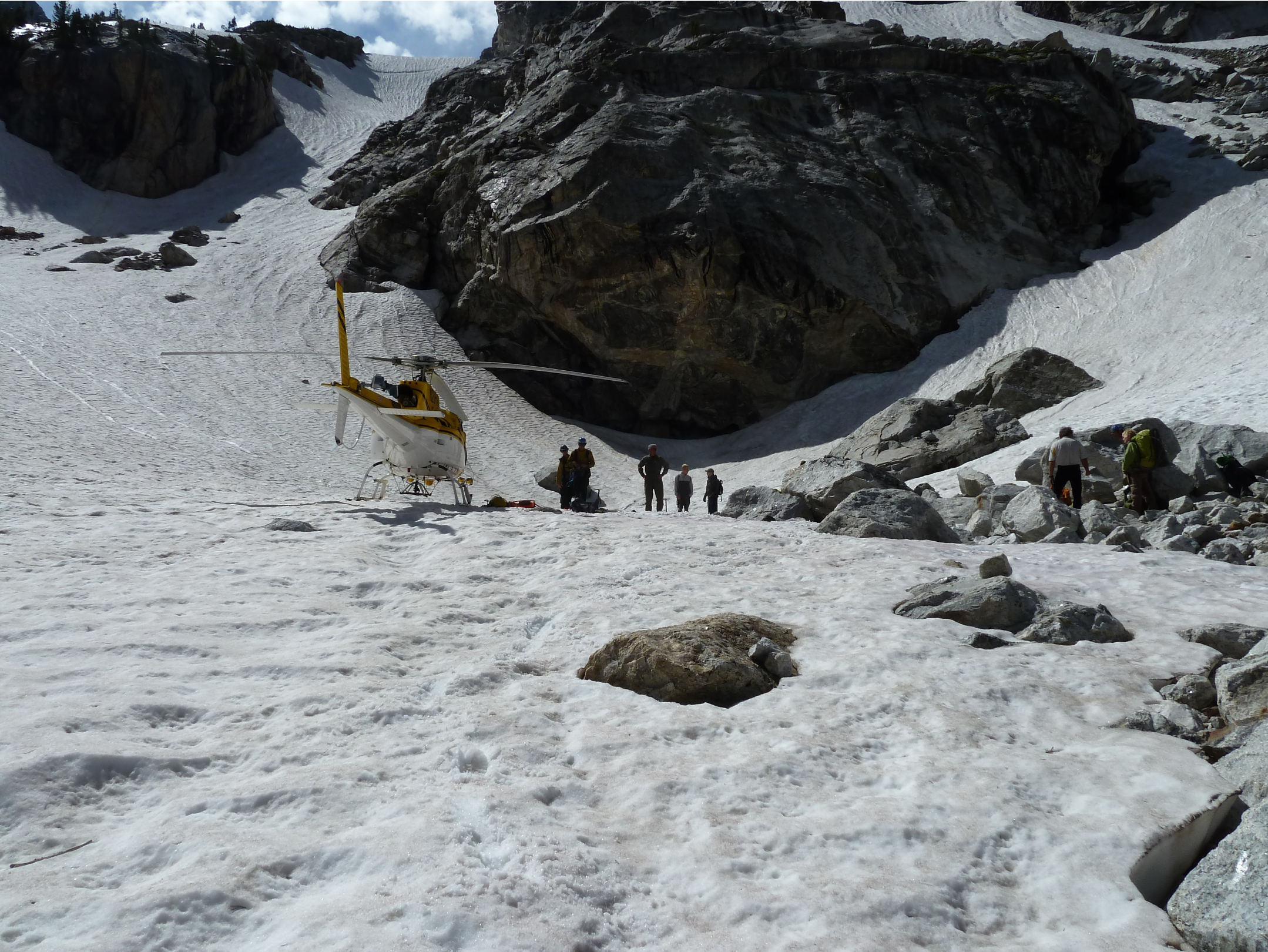
In addition to being a good PT who can be effective in the wilderness environment, you also have to be ready to function as a first responder for acute medical emergencies. This requires training and competency to provide advance first aid in challenging, resource-deprived environments. For example, some of the essential first aid skills include:
performance of a primary and secondary assessment in wilderness emergencies
cardiopulmonary resuscitation
hemorrhage control
acute management of heat illness and hypothermia
You will need to be prepared to treat within your scope of practice many other conditions you might see in the backcountry such as musculoskeletal trauma, dehydration, and breathing difficulties. A Wilderness PT will understand what is going on to make safe and sound evacuation decisions, recognizing that wilderness care is characterized by delayed evacuation to definitive care.
The objective of Wilderness Physical Therapy Educators (WPTE) is to provide you with the toolset to obtain the skills needed to become a value-added provider in the wilderness environment. Our vision is the establishment of Wilderness Physical Therapy as a vital component of backcountry and austere environment patient care with core values that include respect for others, reverence for the environment, and stewardship for the wilderness. In partnership with Idaho State University, we have designed a PT-CEU approved hybrid Wilderness Physical Therapy Curriculum. The first online learning module “Introduction to Wilderness Physical Therapy” includes the primary and secondary examinations and evacuation considerations in the backcountry. This course will arm you with initial knowledge of first response skills necessary for backcountry emergencies. We hope that you will join us on this exciting journey.